


See how much weight you could lose with GLP-1
Try GLP weight loss from $117/month
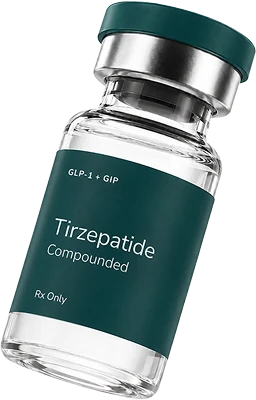
People looking for impactful weight loss
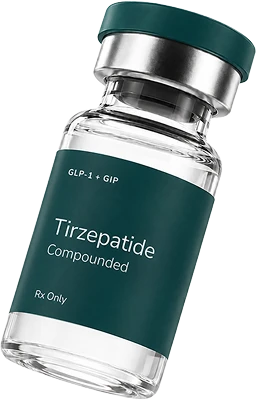
- A dual GIP + GLP-1 agonist
- Targets two appetite pathways
- Greater appetite control
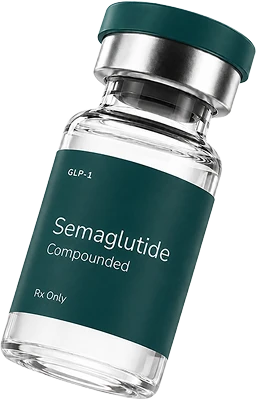
People who are looking for an impactful way to lose weight
- A GLP-1 agonist
- Targets one appetite pathway
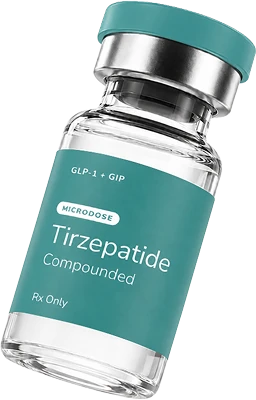
People who want to ease into tirzepatide treatment
- A dual GIP + GLP-1 agonist, at a lower dosage
- Targets two appetite pathways
- Greater appetite control
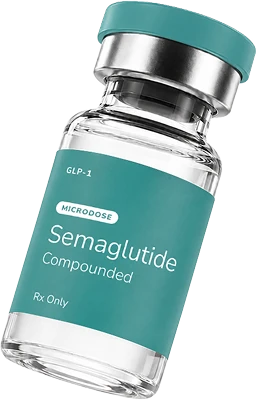
People who want to ease into semaglutide treatment
- A GLP-1 agonist, at a lower dosage
- Targets one appetite pathway
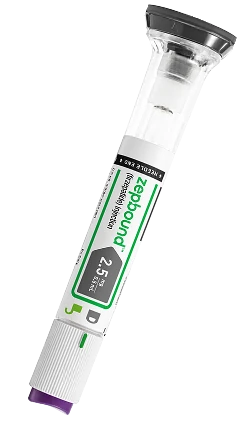
People who prefer the branded tirzepatide medication
- Convenient, ready-to-use pen
- Targets two appetite pathways
- Manufactured by Eli Lilly
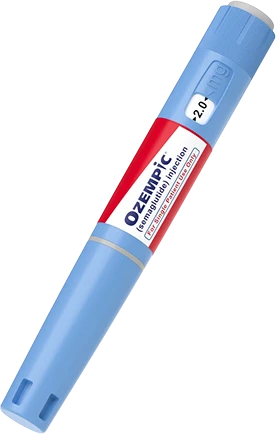
People who prefer semaglutide medication
- Convenient, ready-to-use pen
- Targets one appetite pathways
- Manufactured by Novo Nordisk
Zepbound®
Your safety is our first priority. Learn more about key medication details, side effects, and other important info about your treatment.
Prescribing information
Common side effects
- Nausea
- Diarrhea
- Vomiting
- Constipation
- Abdominal pain
- Dyspepsia
- Injection site reactions
- Fatigue
- Hypersensitivity reactions
- Eructation
- Hair loss
- Gastroesophageal reflux disease
Important safety information
ZEPBOUND® (tirzepatide) Injection is a glucose-dependent insulinotropic polypeptide (GIP) receptor and glucagon-like peptide-1 (GLP-1) receptor agonist indicated as an adjunct to a reduced-calorie diet and increased physical activity:
- to reduce excess body weight and maintain weight reduction long term in:
- Adults with obesity
- Adults with overweight in the presence of at least one weight-related comorbid condition (e.g., hypertension, dyslipidemia, type 2 diabetes mellitus, obstructive sleep apnea or cardiovascular disease)
- to treat moderate to severe obstructive sleep apnea (OSA) in adults with obesity.
Limitations of Use:
- Co-administration with other tirzepatide-containing products or any GLP-1 receptor agonist is not recommended
- The safety and efficacy of coadministration with other products for weight management have not been established
- ZEPBOUND® has not been studied in patients with a history of pancreatitis
IMPORTANT SAFETY INFORMATION
WARNING: RISK OF THYROID C-CELL TUMORS See full prescribing information for complete boxed warning.
- In rats, tirzepatide causes thyroid C-cell tumors. It is unknown whether ZEPBOUND® causes thyroid C-cell tumors, including medullary thyroid carcinoma (MTC), in humans as the human relevance of tirzepatide-induced rodent thyroid C-cell tumors has not been determined
- ZEPBOUND® is contraindicated in patients with a personal or family history of MTC or in patients with Multiple Endocrine Neoplasia syndrome type 2 (MEN 2). Counsel patients regarding the potential risk of MTC and symptoms of thyroid tumors
Do not use ZEPBOUND® if you:
- Have a personal or family history of medullary thyroid carcinoma (MTC) or if you have an endocrine system condition called Multiple Endocrine Neoplasia syndrome type 2 (MEN2).
- Have been diagnosed with Diabetes (Type 1)
- Have been diagnosed with pancreatitis or history of pancreatitis
- Have severe problems with your stomach, such as slowed emptying of your stomach (gastroparesis) or problems with digesting food
- Have a known allergy to tirzepatide/any other GLP-1 drug or any of the inactive ingredients in ZEPBOUND®.
- Single use injection pen inactive ingredients include: sodium chloride, sodium phosphate dibasic heptahydrate, and water for injection. Hydrochloric acid solution and/or sodium hydroxide solution may have been added to adjust the pH
- Single use vials inactive ingredients include:sodium chloride, sodium phosphate dibasic heptahydrate, and water for injection.
- Multi-use KwikPen inactive ingredients include: sodium chloride, sodium phosphate dibasic heptahydrate, hydrochloric acid solution, sodium hydroxide solution, water, phenol, benzyl alcohol and glycerin.
- Have a history of suicidal attempts or active suicidal ideation
WARNINGS AND PRECAUTIONS
- Pancreatitis: Has been reported in clinical trials. Discontinue promptly if pancreatitis is suspected. Do not restart if pancreatitis is confirmed.
- Acute Gallbladder Disease: Has occurred in clinical trials. If cholelithiasis is suspected, gallbladder studies and clinical follow-up are indicated
- Severe Gastrointestinal Disease: Use may be associated with gastrointestinal adverse reactions, sometimes severe. Has not been studied in patients with severe gastrointestinal disease and is not recommended in these patients
- Hypoglycemia: Concomitant use with an insulin secretagogue or insulin may increase the risk of hypoglycemia, including severe hypoglycemia. Reducing the dose of insulin secretagogue or insulin may be necessary. Inform all patients of the risk of hypoglycemia and educate them on the signs and symptoms of hypoglycemia
- Acute Kidney Injury: Monitor renal function in patients with renal impairment reporting adverse reactions that could lead to volume depletion
- Hypersensitivity Reactions: Serious hypersensitivity reactions (e.g., anaphylaxis and angioedema) have been reported postmarketing with tirzepatide. If suspected, advise patients to promptly seek medical attention and discontinue ZEPBOUND®
- Females of Reproductive Potential: Advise females using oral contraceptives to switch to a non-oral contraceptive method, or add a barrier method of contraception for 4 weeks after initiation and for 4 weeks after each dose escalation
- Females of Reproductive Potential: Discontinue at least 2 months before a planned pregnancy because of the long half-life of ZEPBOUND®
- Pregnancy: May cause fetal harm. When pregnancy is recognized, discontinue ZEPBOUND®
- Diabetic Retinopathy Complications in Patients with Type 2 Diabetes: Has not been studied in patients with nonproliferative diabetic retinopathy requiring acute therapy, proliferative diabetic retinopathy, or diabetic macular edema. Monitor patients with a history of diabetic retinopathy for progression
- Suicidal Behavior and Ideation: Monitor for depression or suicidal thoughts. Discontinue ZEPBOUND® if symptoms develop
- Pulmonary Aspiration During General Anesthesia or Deep Sedation: Has been reported in patients receiving GLP-1 receptor agonists undergoing elective surgeries or procedures. Instruct patients to inform healthcare providers of any planned surgeries or procedures.
Side Effects Most common side effects, reported in ≥ 5% of patients treated with ZEPBOUND® are: nausea, diarrhea, vomiting, constipation, abdominal pain, dyspepsia, injection site reactions, fatigue, hypersensitivity reactions, eructation, hair loss, gastroesophageal reflux disease
To report SUSPECTED ADVERSE REACTIONS, contact the FDA at 1-800-FDA-1088 or www.fda.gov/medwatch
DRUG INTERACTIONS ZEPBOUND® delays gastric emptying and has the potential to impact the absorption of concomitantly administered oral medications
USE IN SPECIFIC POPULATIONS
- Pregnancy: May cause fetal harm. When pregnancy is recognized, discontinue ZEPBOUND®
- Females of Reproductive Potential: Advise females using oral contraceptives to switch to a non-oral contraceptive method, or add a barrier method of contraception for 4 weeks after initiation and for 4 weeks after each dose escalation
- Females and Males of Reproductive Potential: Discontinue ZEPBOUND® at least 2 months before a planned pregnancy because of the long half-life of ZEPBOUND®
Ozempic®
Important Safety Information
Do not share your Ozempic® pen with other people, even if the needle has been changed. You may give other people a serious infection or get a serious infection from them.
What is the most important information I should know about Ozempic®?
Ozempic® may cause serious side effects, including:
- Possible thyroid tumors, including cancer. Tell your health care provider if you get a lump or swelling in your neck, hoarseness, trouble swallowing, or shortness of breath. These may be symptoms of thyroid cancer. In studies with rodents, Ozempic® and medicines that work like Ozempic® caused thyroid tumors, including thyroid cancer. It is not known if Ozempic® will cause thyroid tumors or a type of thyroid cancer called medullary thyroid carcinoma (MTC) in people
Do not use Ozempic® if:
- you or any of your family have ever had MTC, or if you have an endocrine system condition called Multiple Endocrine Neoplasia syndrome type 2 (MEN 2)
- you have had a serious allergic reaction to semaglutide or any of the ingredients in Ozempic® injection or Ozempic® tablets
Before using Ozempic®, tell your health care provider if you have any other medical conditions, including if you:
- have or have had problems with your pancreas or kidneys
- have a history of vision problems related to your diabetes
- have severe problems with your stomach, such as slowed emptying of your stomach (gastroparesis) or problems with digesting food
- are scheduled to have surgery or other procedures that use anesthesia or deep sleepiness (deep sedation)
- are pregnant or plan to become pregnant. It is not known if Ozempic® will harm your unborn baby. You should stop using Ozempic® 2 months before you plan to become pregnant
- are breastfeeding or plan to breastfeed. Breastfeeding is not recommended during treatment with Ozempic® tablets. It is not known if Ozempic® when received through an injection passes into your breast milk
Tell your health care provider about all the medicines you take, including prescription and over-the-counter medicines, vitamins, herbal supplements, and other medicines to treat diabetes, including insulin or sulfonylureas.
What are the possible side effects of Ozempic®?
Ozempic® may cause serious side effects, including:
- inflammation of your pancreas (pancreatitis). Stop using Ozempic® and call your health care provider right away if you have severe pain in your stomach area (abdomen) that will not go away, with or without nausea or vomiting. Sometimes you may feel the pain from your abdomen to your back
- changes in vision. Tell your health care provider if you have changes in vision during treatment with Ozempic®
- low blood sugar (hypoglycemia). Your risk for getting low blood sugar may be higher if you use Ozempic® with another medicine that can cause low blood sugar, such as a sulfonylurea or insulin.Signs and symptoms of low blood sugar may include:dizziness or lightheadedness, blurred vision, anxiety, irritability or mood changes, sweating, slurred speech, hunger, confusion or drowsiness, shakiness, weakness, headache, fast heartbeat, and feeling jittery
- dehydration leading to kidney problems. Diarrhea, nausea, and vomiting may cause a loss of fluids (dehydration), which may cause kidney problems. It is important for you to drink fluids to help reduce your chance of dehydration. Tell your health care provider right away if you have nausea, vomiting, or diarrhea that does not go away
- severe stomach problems. Stomach problems, sometimes severe, have been reported in people who use Ozempic®. Tell your health care provider if you have stomach problems that are severe or will not go away
- serious allergic reactions. Stop using Ozempic® and get medical help right away if you have any symptoms of a serious allergic reaction, including swelling of your face, lips, tongue, or throat; problems breathing or swallowing; severe rash or itching; fainting or feeling dizzy; or very rapid heartbeat
- gallbladder problems. Gallbladder problems have happened in some people who take Ozempic®. Tell your health care provider right away if you get symptoms which may include: pain in your upper stomach (abdomen), fever, yellowing of the skin or eyes (jaundice), or clay-colored stools
- food or liquid getting into the lungs during surgery or other procedures that use anesthesia or deep sleepiness (deep sedation). Ozempic® may increase the chance of food getting into your lungs during surgery or other procedures. Tell all your health care providers that you are taking Ozempic® before you are scheduled to have surgery or other procedures
- The most common side effects of Ozempic® may include nausea, vomiting, diarrhea, stomach (abdominal) pain, and constipation. When taking Ozempic® tablets, they may also include decreased appetite.
Please click here for Prescribing Information and Medication Guide for Ozempic® pen.
Ozempic® injection and Ozempic® tablets are prescription medications.
Novo Nordisk provides patient assistance for those who qualify. Please call 1-866-310-7549 to learn more about Novo Nordisk assistance programs.
You are encouraged to report negative side effects of prescription drugs to the FDA. Visit www.fda.gov/medwatch or call 1-800-FDA-1088.
See how much weight you could lose
Lose Up to 20% of
Your Body Weight
*Estimate based on the SURMOUNT-1 clinical trial of tirzepatide (Zepbound®) 15 mg, in which participants lost an average of 20.9% of body weight over 72 weeks when combined with a reduced-calorie diet and increased physical activity (Jastreboff et al., NEJM 2022). This is an illustrative average for educational purposes only — not a personalized medical prediction or guarantee. Individual results vary, and weight loss depends on the medication, dose, and your individual health.
Real people. Real results.
 Before
After
Before
After
 40 lbs in 1 year
When I started GLP-1 treatment, I finally felt like I had control over my
appetite. The constant cravings and thoughts about food became much more manageable, and
making healthier choices felt easier and more sustainable.
Over time, I lost about 40 pounds, but the biggest change was how I felt.
I had more energy,
more confidence, and felt healthier overall. For the first time, I wasn’t relying on
willpower alone, and that made a huge difference.
 Before
After
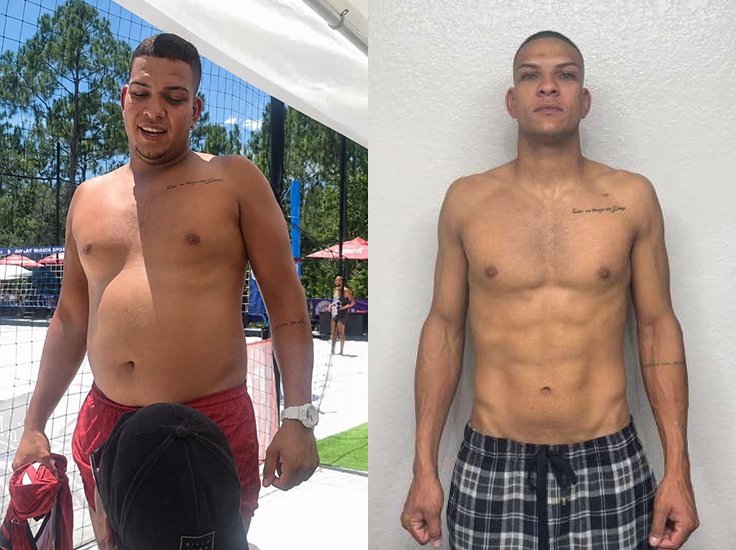
66 lbs in 6 months
Before
After
66 lbs in 6 months
I was definitely hesitant about GLP-1 treatment at first. I wasn’t looking for
a quick fix, and I had a lot of questions. But after learning more about it, I decided it
was worth trying because I wanted something that would actually help me change my
relationship with food.
Within the first few weeks, I noticed that I wasn’t constantly thinking about food anymore.
For the first time in years, I felt satisfied with normal portions.
I wasn’t forcing myself
to eat less, I genuinely wanted less. That was such a different experience from anything I’d
tried before.
 Before
After
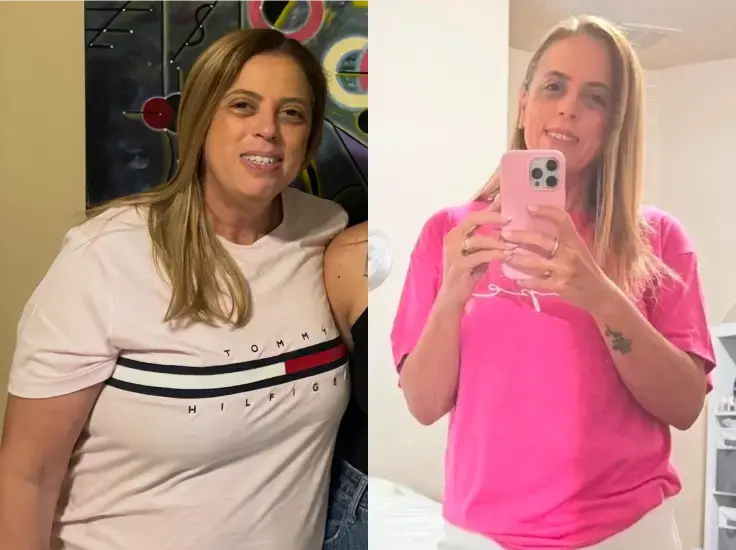
55 lbs in 6 months
Before
After
55 lbs in 6 months
During approximately six months of treatment, I went from nearly 198 pounds to 141 pounds, losing about 55 pounds. Today, after tapering off the medication, I maintain my weight around 148 pounds which still represents a huge transformation in my life. The first changes I noticed were not just on the scale. I began to feel more motivated, more energetic, and more willing to enjoy my daily activities. I also noticed that my clothes fit better and that I felt much more comfortable with myself. Losing weight had a tremendous impact on my self esteem and confidence.
 Before
After
86 lbs in 1 year 7 months
Before
After
86 lbs in 1 year 7 months
Eventually, I decided to try GLP-1 treatment after seeing many recommendations from others, and it turned out to be the most effective approach I had ever tried. I started noticing changes when my clothes began to feel loose, to the point where I had to replace the majority of my wardrobe. Over the course of about a year and a half, I lost approximately 86 lbs. What made this experience different was actually seeing consistent, visible progress compared to exercise alone, which had not given me results before.
 Before
After
50 lbs in 5 months
Before
After
50 lbs in 5 months
I started my journey at 204 pounds, and after just five months of treatment, I
reached 154 pounds, a total loss of 50 pounds.
Beyond the weight loss itself, I feel
healthier, more confident, and much more comfortable in my own skin.
Having more energy and
feeling good about myself has made such a positive difference in my daily life.
Looking back, I'm incredibly happy with the results I've achieved so far. This experience
has been different from anything I've tried before, and I'm grateful I made the decision to
start treatment.
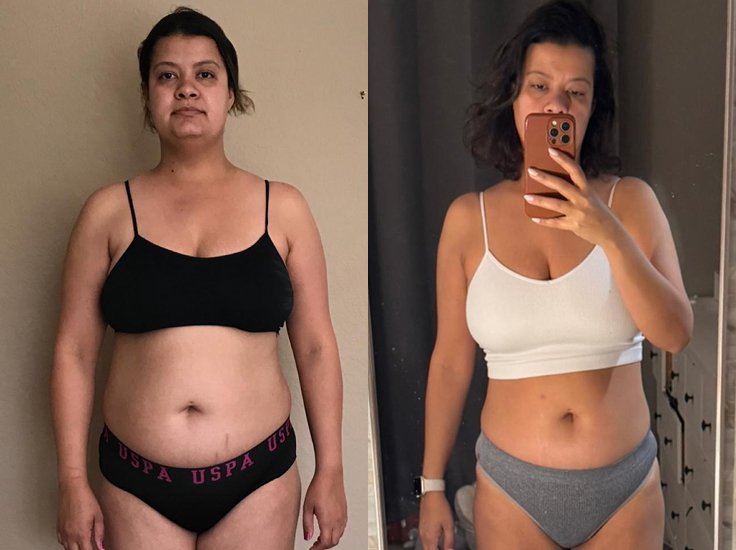 Before
After
33 lbs in 6 months
Before
After
33 lbs in 6 months
When I started GLP-1 treatment, I weighed 198 pounds. I had already tried
dieting, exercising, counting calories, and making healthier choices on my own. Some things
worked temporarily, but I always seemed to end up back where I started.
What surprised me most wasn’t the weight loss itself.
It was how much easier it became to
manage my appetite and make better decisions around food. For the first time, I didn’t feel
like I was constantly fighting cravings or thinking about my next meal.
 Before
After
30 lbs in 1 year
Before
After
30 lbs in 1 year
The results were surprising. Within the first few months, I had already lost
almost all of the weight I had gained over the years. After the first three months, I
continued on a maintenance dose to help keep my appetite under control while focusing on
building muscle and improving loose skin.
Today, I feel like I’m 30 years old again!
My confidence is higher than ever, and my clothes
fit me well again.
The people featured are real GLP-1 users who were compensated for their time. Individual results will vary.
Legit Script Certified
Healthcare compliance verified
Licensed Medical Providers
Board-certified care

Licensed U.S. Pharmacies
Trusted pharmacy partners

HIPAA-Compliant Providers
Secure & confidential
BBB Accredited Business
A+ customer standards

Recommended by Dr. Amy Lee, MD
Triple-board-certified physician
Legit Script Certified
Healthcare compliance verified
Licensed Medical Providers
Board-certified care
Licensed U.S. Pharmacies
Trusted pharmacy partners
HIPAA-Compliant Providers
Secure & confidential
BBB Accredited Business
A+ customer standards
Recommended by Dr. Amy Lee, MD
Triple-board-certified physician
GLP-1 treatments designed
for lasting weight loss
Not sure if this treatment is right for you?

A science-backed approach to long-term weight management.
Feel satisfied longer between meals.
Helps manage hunger and cravings.
Supports healthy metabolic function.
Longevity starts at the
cellular level with NAD+
Why NAD+
Your cells run on NAD+
NAD+ is the fuel behind your cellular energy, repair, and resilience—and it quietly fades as you age. Here’s the drop, and what maintaining optimal levels looks like.
NAD+ levels by age
In hours
Energy & mental focus lift
In days
Clearer thinking, less caffeine reliance
~1 week
Steadier sleep & recovery
This chart is a simplified, illustrative representation of published research on how NAD+ levels change with age. It is provided for educational purposes only and is not medical advice. NAD+ decline — and any response to supplementation or therapy — varies by individual, tissue type, and study. Consult a qualified healthcare provider before beginning any NAD+ or supplement regimen.
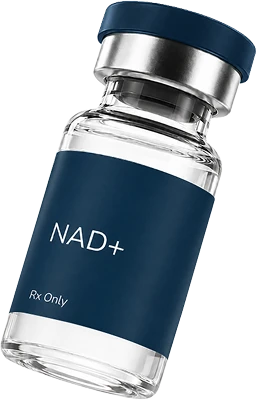
NAD+
Our highest-potency NAD+ option for energy and vitality
Supports healthy energy production, helps maintain metabolic health, supports overall vitality.
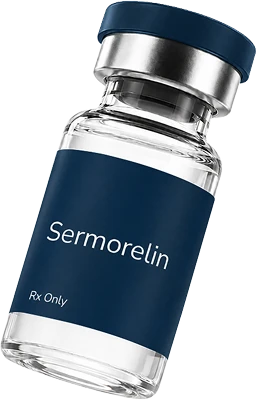
Sermorelin
A peptide that works with your body's natural processes to support healthy aging and overall wellness
A peptide that works with your body's natural processes to support healthy aging and overall wellness.
Supports healthy aging, helps promote restful sleep, supports healthy body composition, helps maintain overall vitality
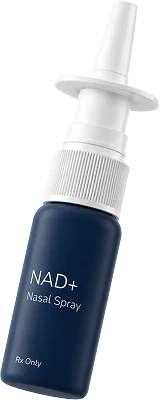
NAD+ (Nasal Spray)
Convenient NAD+ support delivered through the nasal passages
Restore Your Everyday Vitality
NAD+ Nasal Spray is designed to help support healthy aging, and overall wellness.
Helps maintain healthy energy levels, supports healthy aging
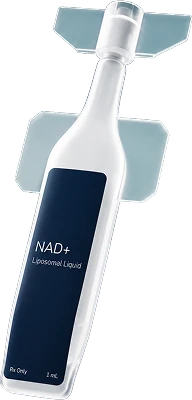
NAD+ (Oral Liposomal Liquid)
An easy-to-take liposomal formula designed for everyday NAD+ support
NAD+ is an essential coenzyme involved in your body's natural energy liposomal liquid formula helps support healthy aging, and everyday vitality.
Helps maintain healthy energy levels, promotes overall vitality

B12 MIC
Helps your body metabolize fat and sustain natural energy
A lipotropic blend of methionine, inositol, choline, and B12
Supports fat metabolism, helps promote natural energy, supports healthy liver function, helps maintain overall vitality
What are your
longevity goals?
About this graphic. The curve shown is an illustrative model based on published data, not a measurement of any individual. Reported NAD+ values and rates of decline differ across studies, tissues, sexes, and measurement methods; the percentages shown (peak in the early 20s, roughly a 40–50% decline by age 50, and as low as ~10% of youthful levels in later years) reflect ranges commonly cited in the literature.
On the timeline. The timeframes shown (“in hours,” “in days,” “~1 week”) reflect experiences commonly reported by wellness and clinical providers. They are not guaranteed outcomes and are not results from controlled clinical trials. Individual results vary.
Not medical advice. This content is for general educational purposes only and is not intended as a substitute for professional medical advice, diagnosis, or treatment. Always seek the guidance of your physician or another qualified health provider with any questions about a medical condition or before starting any new supplement or therapy.
Science-backed options.
Real medical support.
100% online.
Built for convenience.
Take a quick assessment from anywhere and learn about your treatment options in minutes.
Licensed medical providers.
Personalized care.
No middlemen. Get reviewed by a licensed medical provider, receive same-day approval if eligible, and get a treatment plan tailored to your needs.

Fast delivery from
licensed pharmacies.
Your medication ships in discreet packaging with free U.S. shipping, delivered directly to your door.
Support that stays with you.
Enjoy unlimited messaging and ongoing guidance from your provider whenever you need it.
Takes 3 minutes • Fast eligibility review
Frequently Asked Questions
Can’t find the answer you’re looking for? Give us a call at (888) 679-5520.
How much weight can I lose?
Many patients can lose up to 15–20% of their body weight when following their prescribed standard-dose treatment plan.
What are GLP-1 medications?
GLP-1 medications do more than reduce appetite. They help support weight loss by reducing hunger, controlling cravings, and helping you feel fuller for longer. They also support metabolic health by improving how the body regulates blood sugar, uses energy, and burns stored fat. Many patients describe feeling like their metabolism is “working again” as they lose weight and improve their overall health.
What is the difference between GLP-1s and Microdose GLP-1s?
The main difference is the amount of medication used. A standard GLP-1 dose contains more medication and is designed to provide stronger effects, while a microdose uses a smaller amount for a more gradual approach. Even at lower doses, Microdose GLP-1s may help support metabolic health.
What is NAD+?
NAD+ is a naturally occurring coenzyme found in every cell of the body that plays a key role in cellular energy production. It supports healthy aging, cognitive function, overall vitality, and wellness, making it a popular choice for those focused on longevity and proactive health.
What's the difference between NAD+ and Sermorelin—and why combine them?
NAD+ is designed to support cellular energy, vitality, and longevity and healthy energy levels. Many patients choose to combine them because NAD+ may help support Sermorelin’s benefits while also helping reduce fatigue, providing a more comprehensive approach to wellness.
Why add NAD+ or Sermorelin to my GLP-1 treatment?
While GLP-1 medications support weight loss, NAD+ helps support energy, vitality, and cellular health, making it a complementary addition to your wellness journey.
Do I need to be on a GLP-1 to use NAD+?
No. NAD+ can be used independently as part of a longevity, wellness, and cellular health routine.
How quickly can I get prescribed?
Getting started is fast and easy. Complete your online assessment to receive an instant eligibility review. A licensed medical provider will then analyze your information and determine eligibility. If approved, you may receive same-day approval.
Are treatments prescribed by a licensed provider?
Yes. Licensed medical providers review your information and prescribe treatment if you’re eligible. Medications are then fulfilled by our licensed U.S. pharmacy partners.
What’s included in the treatment price?
Your treatment price includes your prescribed medication, required lab work, and provider consultations. There are no separate lab or consultation fees.
Are medications for potential side effects included?
Your provider may prescribe an optional medication, such as Zofran, to help manage nausea. This medication is not included in your treatment price and will not be shipped with your GLP-1 medication. If prescribed, it can be picked up and paid for separately at your local pharmacy, typically for around $12, depending on the pharmacy and insurance coverage.
Do I need insurance?
No. Insurance is not required.
Is there a membership fee?
No. There are no membership fees or hidden costs.
Can I use my HSA or FSA?
Yes. Eligible expenses may be paid using pre-tax HSA or FSA dollars.
Meet Our Founder
As a triple-board-certified physician in Internal Medicine, Obesity Medicine, and Clinical Nutrition, Dr. Amy Lee has spent more than 20 years advancing science-backed solutions for metabolic health. That’s why she supports GLP-1 and NAD+ treatments—innovative tools that can help people achieve meaningful, lasting results.

Dr. Amy Lee, MD
Founder of Nucific • Triple Board-Certified